


Most boaters pick batteries by reading the label: cold cranking amps, reserve minutes, group size. That choice often feels sensible, but it regularly leads to the wrong battery, something seen again and again. Boating rarely matches a spec sheet. It happens at a chilly launch ramp before sunrise or during long days when electronics pull steady power. Out on the water, conditions are messy and unpredictable. Because of this, choosing the right marine battery selection approach usually needs to go beyond specs alone.
This guide looks at how boat battery chemistry actually behaves after it’s installed and used, not just how it looks on a box or in a catalog, which can be misleading. It compares AGM and lithium marine batteries in real situations: fishing boats, cruisers, work boats, and seasonal boats that may sit unused for months. It points to where each type often works well and where it can fall short. It also covers common mistakes, system compatibility, and cost and ownership tradeoffs.
Why Marine Battery Selection and Chemistry Matter More Than Ratings
Out on the water, two batteries with the same rating can act very differently, and that often surprises people. Ratings only tell part of the story. What usually makes the real difference is battery chemistry. AGM and lithium batteries deliver power in their own ways, and things like voltage curves, discharge limits, and internal resistance shape how a boat feels and responds, even if most boaters don’t think about it day to day.
Market data shows how quickly things are changing. Lithium isn’t a niche option anymore, not even close, I think.
| Metric | Value | Year |
|---|---|---|
| Global marine battery market size | $752 million | 2024 |
| Projected market size | $3.7, 3.9 billion | 2032, 2035 |
| Lithium share of market | 62.69% | 2023 |
Lithium already leads new marine battery sales, as the table shows. That shift comes from several trends happening at once: electric trolling motors, heavier electronics loads, and more hybrid propulsion in newer boats.
The maritime industry has seen a major shift towards hybrid and fully electric propulsion systems in recent years. This has been a key driver for the increased demand and usage of lithium-ion batteries in the marine sector.
For everyday boaters like you, this change shows up in practical ways. Battery chemistry affects runtime, recharge speed, and overall weight on board, small details that often make a real difference, in my view.
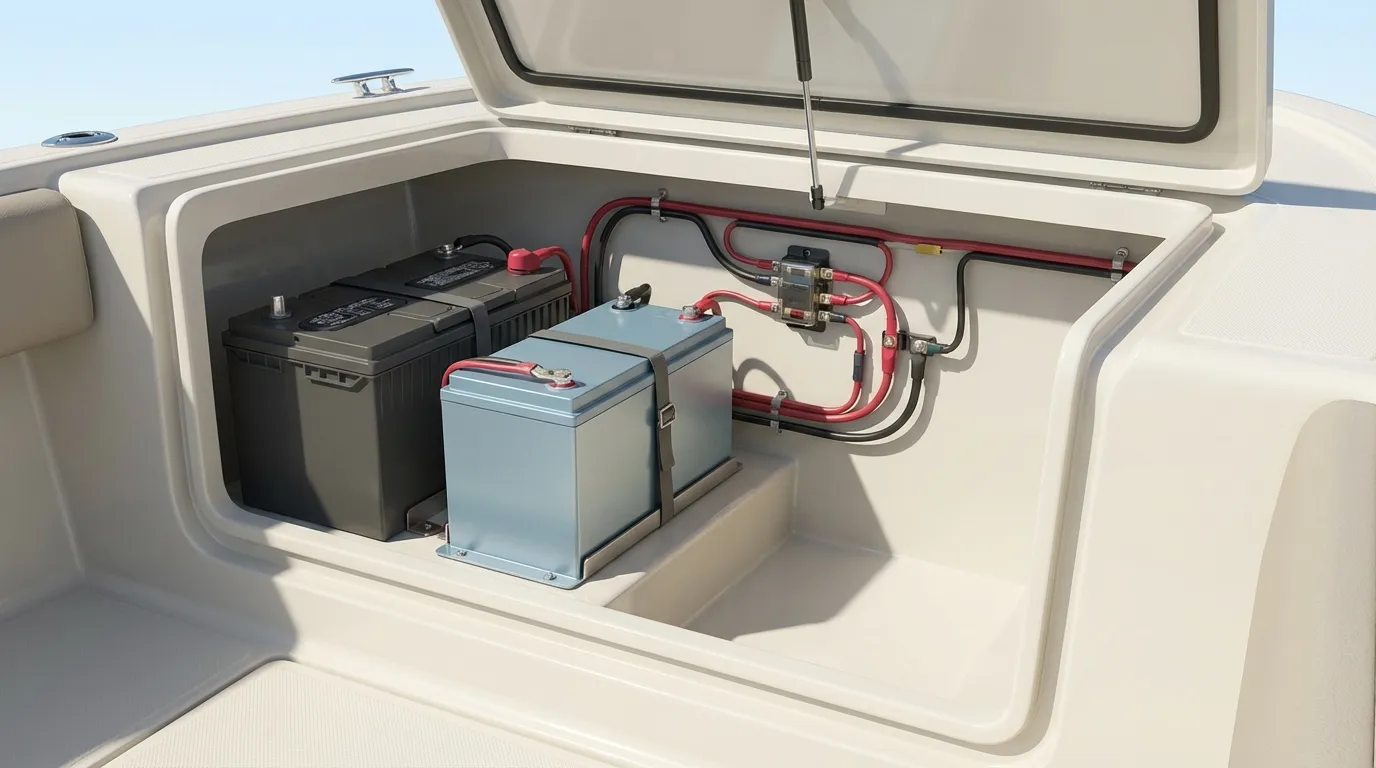
AGM vs Lithium Marine Battery in Real Use
On paper, AGM and lithium batteries can look close enough that they seem interchangeable. On the water, the difference usually shows up quickly, often by the middle of a long day. AGM batteries tend to give a strong push at first, then slowly drop in voltage as they drain. Lithium batteries work in another way, holding a steady voltage until they’re almost empty. That steady output often matters most when electronics run all day and gauges get checked more than once.
What makes this comparison interesting isn’t the spec sheet, but how each battery handles real gear on a real boat. That’s where the gaps become clear. No fluff.
| Feature | AGM | Lithium (LiFePO4) |
|---|---|---|
| Usable capacity | About 50% | 80, 100% |
| Typical cycle life | 300, 500 cycles | 4,000, 15,000 cycles |
| Recharge time | Around 8 hours | 3, 5 hours |
| Weight | Heavy | Much lighter |
AGM still has some clear strengths. It usually works well with older charging systems and, despite common assumptions, often handles cold weather better than people expect. Familiarity helps too. Ralph Naranjo of Practical Sailor points out that AGM batteries have lower resistance than flooded options, which helps cut voltage drop under heavier loads, especially when several systems pull power at once.
Lithium shines when loads stay deep and steady, like trolling motors, livewells, and fish finders. Full power lasts longer, and anglers often notice the difference right away.
For more detail on choosing and caring for either type, this marine battery selection and care guide walks through the specifics.
Matching Battery Chemistry to How You Boat
Picking the right battery usually comes down to how you actually spend your time on the water. A weekend cruiser, a tournament angler, and a charter captain all have very different days and expectations. Early starts, long runs, or quick afternoon trips tend to shape what matters most when it comes to power.
A few common situations help explain it. Nothing complicated.
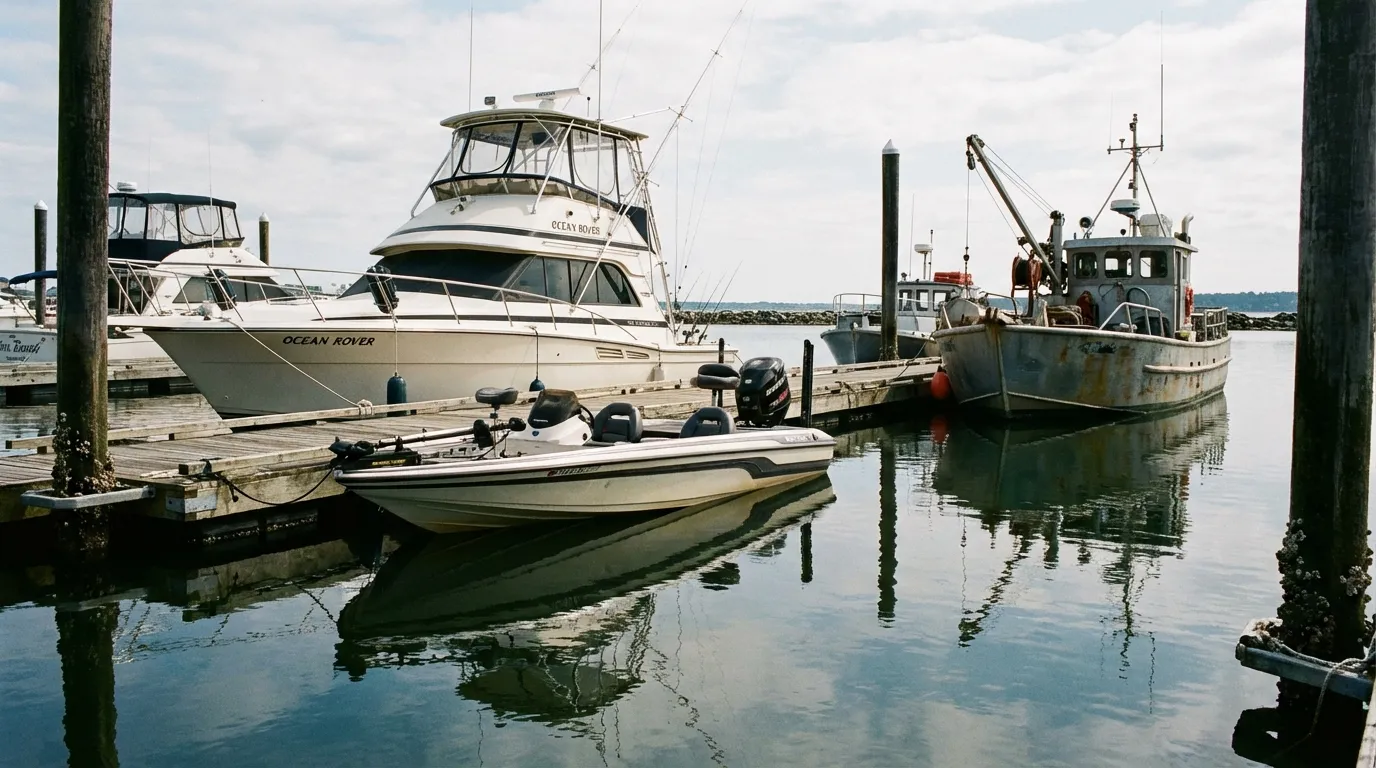
Weekend fishing boats often pair well with AGM batteries. Trips are shorter, electronics use stays reasonable, and charging systems are usually basic, without extra features. AGM gets points for being dependable and easier on the budget, which matters to many casual boaters. It’s familiar, and most of the time it works without needing much attention.
Bass boats that rely heavily on trolling motors usually lean toward lithium. Lower weight helps with speed and trim, voltage stays steady all day, and many anglers can stay out longer without stressing about power, especially during long practice days. That steady output adds peace of mind.
Offshore cruisers use batteries as full house banks. Refrigeration, lights, navigation gear, and inverters can run for long stretches. Lithium handles deep discharge well and recharges fast from alternators or solar systems, so there’s less need to head back early.
Commercial and charter boats often find lithium pays off over time. The upfront cost is higher, but longer life and less downtime usually balance it out in daily use.
Verified Market Research analysts report that lithium batteries made up nearly two-thirds of the marine battery market in 2023, which points to real use on the water, not just marketing.
System Compatibility and Common Mistakes in Marine Battery Selection
Battery upgrades often fail when the rest of the system gets overlooked, and it happens more often than people think. Battery chemistry affects chargers and alternators, and wiring usually matters more than it seems at first.
The most common problem shows up when lithium gets added to an older setup without checking charge profiles. Many older chargers push too much voltage during bulk charging. This shortens lithium battery life and can trigger shutdowns, which is especially frustrating if you’re already out on the water.
Cold weather adds another challenge. Lithium batteries generally shouldn’t be charged below freezing unless they have built-in heaters or a proper BMS. AGM batteries, on the other hand, are often easier to deal with in winter. They handle low temperatures with less trouble, which is usually their biggest advantage.
Lithium’s high current output also puts extra strain on cables. Undersized wiring can overheat, and protection devices need the right ratings. This step usually can’t be skipped, even if it feels tedious. Battery switches and monitoring help manage these risks, and the marine battery switch and wiring safety guide shows how this works in real installations.
Long-Term Cost and Safety Trends
What surprises a lot of people is how much battery lifespan changes the cost story. The upfront price often drives decisions at the counter (we’ve all done it), and AGM usually looks cheaper on day one. That first look is hard to ignore. Lithium pricing often makes more sense once you step back and look at how long each battery actually lasts. Cycle life usually changes the math, at least in my experience.
When an AGM battery lasts around four seasons and lithium can reach ten or more, replacement costs add up quickly. Cutting weight can also help fuel efficiency on some boats, which can mean using a little less fuel over a season, not huge savings, but noticeable over time.
Safety has improved too. Modern lithium marine batteries use LiFePO4 chemistry, which is more stable and usually has a lower risk of thermal runaway than older lithium types. That often means fewer heat worries during charging or storage.
Looking ahead, systems are getting smarter. Built-in battery management with app-based monitoring is becoming common, so you can check charge and battery health on your phone, which is genuinely useful. Alternator protection keeps improving as well. As boats add more electronics and electric propulsion, battery chemistry directly affects how the whole system is built. It all connects, in my view.
Installing and Caring for Your Battery the Right Way
Problems often show up early when voltage or state of charge isn’t checked, usually before you’re stranded. Smart monitors help a lot with lithium systems, in my experience, because they make small issues easier to notice.
Still, no battery works well if it’s installed badly, and that’s where trouble often begins (I see this a lot). Secure mounting and proper ventilation reduce vibration damage and protect electronics, especially near the engine bay. Clean terminals lower resistance, which helps more than many people think, so the basics still matter.
Charging habits matter too, and this trips people up. AGM batteries usually need a full recharge after use, while lithium batteries handle partial charging better, though balanced cycles still help over time. Different needs, same goal: match them.
For owners running battery banks, isolation and charging paths can be confusing. We covered this in an article on dual battery systems for boats, which explains setup with less guesswork.
Common Questions, Answered
Is lithium always better than AGM for boats?
Often, lithium works best for deep discharge and loads most of the time. Still, it’s not always the better pick: AGM remains a solid option for cold climates and older charging setups (you’ll see).
Can I replace an AGM battery with lithium directly?
It can depend, mostly on compatibility. Checking your charger and alternator for lithium support is smart, because upgrades are often needed to keep things safe.
How long do lithium marine batteries last?
Most lithium batteries reach 4,000 cycles or more. For many boaters, that usually adds up to ten-plus years of reliable use in practice.
So yes, it’s generally safe when made for marine use. LiFePO4 batteries with battery management systems are stable, so you usually don’t need to worry.
What battery is best for trolling motors?
Lithium is usually the best choice for most boats because it gives steady voltage, lasts longer, weighs less, and is easier to handle overall.
Choosing Confidence Over Guesswork in Marine Battery Selection
Real-world use often shapes how a marine battery performs more than spec sheets, especially during everyday boating. Marine batteries aren’t one-size-fits-all, and that’s the detail people often miss. When the battery chemistry truly fits how a boat is used, things usually feel easier, with fewer surprises. That can mean longer days on the water, fewer dead batteries, and less frustration overall. For me, that makes the effort worth it.
AGM is still a familiar, trusted option that many boaters already use, steady and easy to understand. Lithium, on the other hand, can offer better performance and efficiency, especially with lighter setups and quicker charging, if that matches how you boat. So what’s the right pick? Most of the time, it comes down to your system and your goals, which affect how a battery performs over the long run.
Thinking about an upgrade this season? It often helps to look beyond the label. In my opinion, how you actually use your boat, fishing trips, relaxed cruising, or short runs, matters more than most people expect.
